Should you use AI for drafting and reviewing contracts?

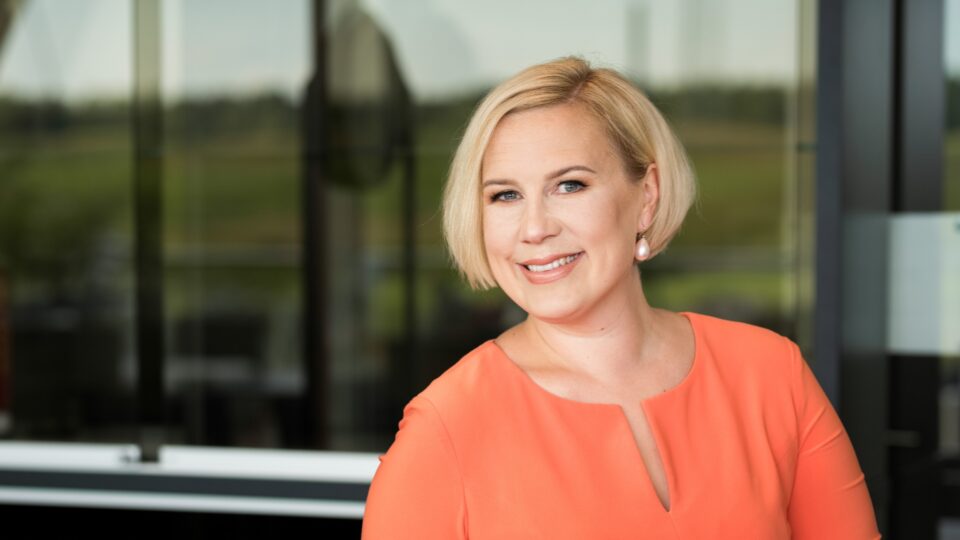
Lawyer Elina Koivumäki explains how AI can support contract work.
Artificial intelligence can be an excellent assistant for SMEs when working with contracts, particularly in drafting, creating checklists, and supporting negotiations. However, AI does not carry legal responsibility for the content it produces, and it cannot understand the true risk level of your business without guidance.
For this reason, AI-generated text should always be approached critically. The final review, responsibility for understanding the content, and responsibility for signing always remain with a human.
FAQ summary of the topic:
Can AI draft legally valid contracts?
AI can assist with drafting and reviewing contract text, but legal responsibility always remains with humans. AI-generated agreements should always be reviewed by someone with legal expertise.
What are the risks of using AI in contracts?
AI may misinterpret laws, overlook industry-specific practices, or generate clauses that appear correct but are legally weak or inappropriate.
When is AI most useful in contract work?
AI works best for drafting initial contract versions, identifying missing clauses, summarising contract changes, and preparing negotiation arguments.
Key considerations when using AI in contract drafting and negotiations
- AI can speed up the drafting of contract documents and help identify missing clauses or potential risks (such as liability limitations, price adjustments, or termination terms).
- AI can also make mistakes: it may “invent” legal rules, misinterpret regulations, or overlook Finnish contract practices or industry-specific requirements.
- Humans remain responsible for key legal aspects, including representation rights (who has the authority to sign), compliance with mandatory law, risk assessment, and the approval of final contract wording.
Read also: What should you consider during contract negotiations?
Where AI is most useful in practice
In SMEs, the greatest benefit of AI often comes from assisting with contract drafting and reviewing contract terms. AI can help you:
- list the key questions a contract should address
- propose a contract structure (headings and basic clauses)
- identify potential risks in the agreement (for example broad liability clauses, unclear delivery terms, or contractual penalties)
- help formulate contract terms in the desired language
- provide arguments for negotiations from different perspectives (legal, commercial, or operational)
AI support can be particularly valuable when contracts need to be prepared quickly, or when the person drafting the contract does not regularly work with agreements and may not remember all the issues that should be covered.
When you should remain critical of AI
AI does not know what level of risk is acceptable for your company, nor can it read “between the lines”. It may not understand the specific characteristics of your industry or the negotiation history between the contracting parties.
AI can also produce text that sounds convincing but is practically weak. For example, it might suggest a contractual penalty that is so small it does not influence the other party’s behaviour, or so large that it could be considered unreasonable in court. Similarly, liability limitation clauses may be drafted in a way that removes almost all compensation liability—even in situations where your company would expect protection or where the limitation would not actually work.
You should be especially cautious if AI makes the contract too general. A good contract is always tailored to a specific purpose; otherwise, it may appear comprehensive while leaving important issues unresolved.
A practical approach for SMEs
Use AI as a support tool, but always ensure that a person who understands contract terms performs the final review. At minimum, check the following:
- What exactly is being bought or sold, and what are the quality requirements and timelines?
- What are the consequences of errors or delays: corrections, compensation, additional charges, contractual penalties, damages, termination, or cancellation?
- Who owns the intellectual property rights (IPR), and what usage rights are granted to the other party?
- Does the agreement involve the processing of personal data, and is a Data Processing Agreement (DPA) required?
- How can the contract terms be changed, for example regarding pricing?
- Who signs the agreement, and has the right of representation been verified from official registers or through position-based authority?
AI has quickly become a valuable “second pair of eyes” in contract work, as well as a tool for drafting content and supporting negotiations. Nevertheless, the final responsibility always remains with people.

Elina Koivumäki is a lawyer who founded Lexperience in 2016 after 17 years in law firms, and she continues to run the company as its entrepreneur. For more than 25 years, she has supported business and non-profit clients in legal matters related to marketing, sales, communications, copyright, and data protection.